
We accept
Medicare Advantage plans to fit your dental needs.

Book appointment   Call (845) 512-1219
Ramapo Dental Care - Logo
Phone icon
  • Location & hours
  • Pay my bill
  • Patient login
  • Blog
  • Contact
  • Careers
  • Emergencies
  • (845) 512-1219
    • Meet our team
    • Marina Chernin, DDS
    • Aviva Diamond, DDS
    • Sarah Krupka, DDS
    • Anju Philip, DDS
    • James Y. Su, DDS
    • Katrina N. Bell, DDS
    • Prevent
    • Children's Dental Care
    • Dental Exams and Teeth Cleaning
    • General Dentistry Services
    • Restore
    • All-on-4® by Nobel Biocare
    • Dental Fillings, Crowns & Bridges
    • Dental Implant Services
    • Full and Partial Dentures
    • Gum Treatment
    • Implant-Supported Dentures
    • Root Canal & Endodontics
    • Improve
    • Cosmetic Dentistry Services
    • Invisalign®
    • Porcelain Veneers
    • Teeth Whitening
    • Other Services
    • Emergency Dentist
    • Tooth Extractions
    • Dental payment options
    • Dental insurance
    • Smile Alliance Club
    • Dental financing
    • Special offers
    • Medicare Advantage
    • Good faith estimate
    • About our practice
    • Patient information
    • Dental reviews
  • Book appointment

Home

Blog

Understanding Sensitive Teeth

Understanding Sensitive Teeth

September 30, 2021 By Ramapo Dental Care

Understanding Sensitive Teeth

A significant percentage of all adults experience occasional to frequent pain or discomfort in their teeth when eating or drinking hot or cold foods or applying pressure to their teeth. This issue is known as dentin hypersensitivity, or more commonly, sensitive teeth. While occasional episodes of tooth pain when eating ice cream or drinking extremely hot liquids should not be cause for alarm, repeated or chronic instances of tooth pain or discomfort when eating or drinking should prompt an immediate visit to your local dentist.

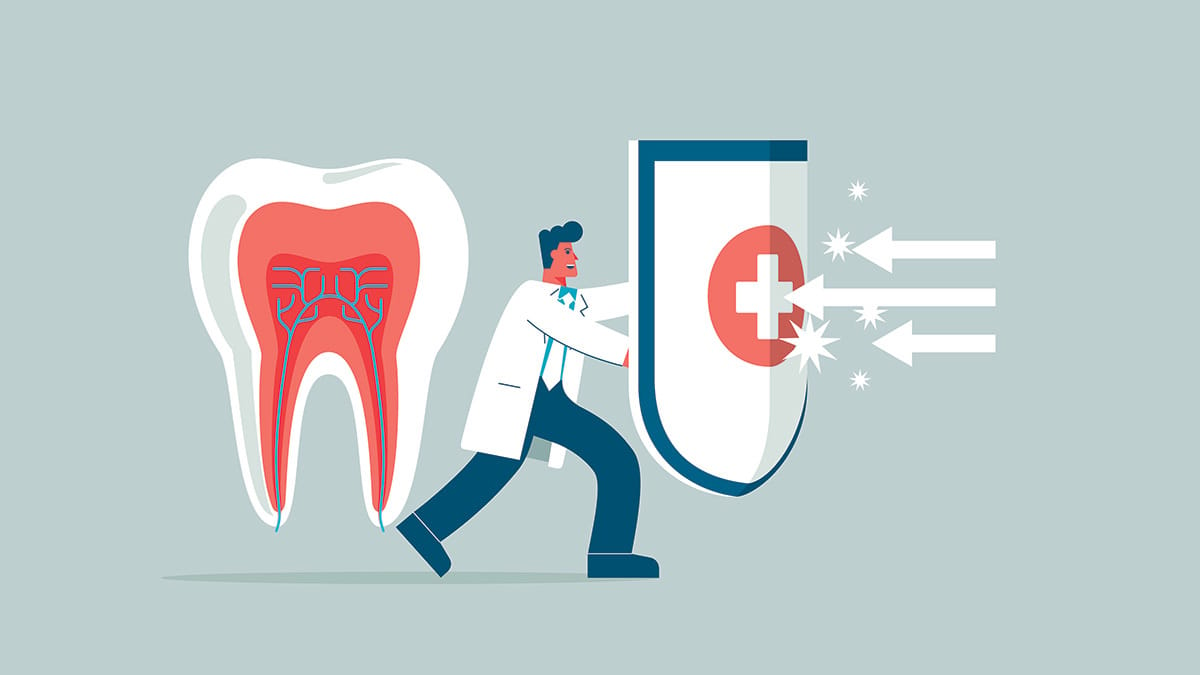
Most cases of dental sensitivity are the result of injury or damage to the outer shell of the teeth, which is composed of a substance known as enamel. Tooth enamel is hard and provides a protective shell around the delicate tissues and the nerves that are contained inside the pulp of the tooth. If the enamel becomes too thin or develops holes, it can allow stimuli to affect the nerve endings inside the tooth, which can create discomfort or pain when consuming foods that are too cold or too hot.

Working with a dentist to resolve issues with tooth sensitivity is the best way to manage these issues. Your dentist will diagnose the issue and look for the underlying problems that are causing your pain or discomfort. This can help you to feel better much more quickly.

Common Causes of Tooth Sensitivity

Sensitive teeth are usually caused by some form of dental enamel deterioration or injury. Your dental enamel is a thin layer of hard material that surrounds the dentin, a dense bony tissue that makes up most of the tooth. If the dentin is exposed because of damage to the tooth enamel, it can transmit heat or cold directly to the nerve endings that are inside the tooth. For this reason, sensitivity of your teeth is often referred to as dentin hypersensitivity. Some of the most common reasons for this condition are listed below:

  • Tooth decay and damage to the outer tooth enamel are the most common underlying causes of sensitive teeth. These dental problems can create holes in tooth enamel that could expose dentin, which can cause sharp pain or a dull ache when your tooth is exposed to very high or very low temperatures. In some cases, tooth decay can also result in pain when teeth are exposed to pressure during biting or chewing. Regular dental visits are one of the best ways to manage tooth decay and cavities to protect your teeth from severe damage and to reduce the likelihood of developing dental sensitivity.
  • Gum disease, also known as periodontal disease, is another dental condition that can result in sensitivity of the teeth. This issue results in the receding of the gums away from teeth, which can expose areas of decay. If dentin is exposed, the risk of sensitivity of your teeth is significantly increased. Treating gum disease promptly is a solid step toward preventing or reducing the risk of dental sensitivity for yourself and your family.
  • Using the wrong toothpaste or mouthwash can also play a role in causing dental sensitivity. Abrasive toothpastes can wear away the tooth enamel to expose dentin, which can cause some cases of dental sensitivity. Mouthwashes that contain alcohol or other whitening agents can also be to blame for weakened tooth enamel and increased incidents of pain and discomfort caused by sensitive teeth.
  • Foods like tomatoes, pickles, limes and lemons can be very acidic. Over time, these acids can work on tooth enamel to create patches of deterioration that can trigger dental sensitivity. Avoiding these foods will typically lower the risk of damage to your tooth enamel and the pain or discomfort that this can sometimes cause.
  • Bruxism is the technical term for grinding your teeth. If you routinely grind or clench your teeth, this practice can cause damage to the tooth enamel that can result in pain and hypersensitivity to hot and cold. Your dentist can work with you to create a custom-fitted dental appliance called a mouth guard. These devices are worn at night and provide a cushion between top and bottom teeth to prevent the wearing away or even breaking of teeth during grinding or clenching.
  • Brushing too hard or with a toothbrush that has very firm bristles can also wear away tooth enamel to cause some instances of tooth sensitivity. Reducing the pressure and switching to a softer toothbrush will often lower the chances of developing dentin hypersensitivity because of your brushing habits.
  • Some dental patients experience temporary sensitivity to heat, cold or pressure after undergoing a procedure in their dentist's office. If this persists more than a few days, however, it is important to call your dentist to check for infection in the treated area. This can help you manage issues with the pain and discomfort caused by sensitive teeth in a more effective way.

Other Treatments for Dental Sensitivity

Making regular appointments with a dentist in Suffern is essential to protect your dental health. Your dentist may offer some practical solutions for dentin hypersensitivity, including the following:

  • Dental sealants are often used to create a barrier between the dentin of your teeth and the foods and drinks you consume. These sealants are designed not only to reduce dental sensitivity but also to lower your risk of tooth decay and cavities. Ask your dentist about sealants and how they can protect your teeth at any age.
  • Fluoride treatments work by increasing the hardness of tooth enamel, which also lowers the risk of cavities and can help to alleviate symptoms of dental sensitivity. Your dentist may recommend annual or twice yearly applications of fluoride to ensure the best results.

Working with a dental office in Suffern is the best way to manage issues with sensitive teeth. Your dentist is a great source of accurate information and effective treatments that can help you and your family smile more brightly and confidently for years to come.

Recent articles

Comprehensive Dental Care in Suffern Comprehensive Dental Care in Suffern
How to Help Someone With a Dental Emergency in Suffern How to Help Someone With a Dental Emergency in Suffern
Do You Need Cosmetic Dentistry in Suffern? Do You Need Cosmetic Dentistry in Suffern?

Book your appointment today.

29 N Airmont Rd, Suite 2, Suffern, NY 10901
Call our office at (845) 512-1219.
Book appointment
Ramapo Dental Care - Logo KO
  • All-on-4® by Nobel Biocare
  • Children's Dental Care
  • Cosmetic Dentistry Services
  • Dental Exams and Teeth Cleaning
  • Dental Fillings, Crowns & Bridges
  • Dental Implant Services
  • Emergency Dentist
  • Full and Partial Dentures
  • General Dentistry Services
  • Gum Treatment
  • Implant-Supported Dentures
  • Invisalign®
  • Porcelain Veneers
  • Root Canal & Endodontics
  • Teeth Whitening
  • Tooth Extractions
  • Find a dentist near you
  • Privacy policy
  • Notice of Privacy Practices
  • Site map

© 2026 Ramapo Dental Care. All rights reserved. The above-listed practice complies with applicable Federal civil rights laws and does not discriminate on the basis of race, color, national origin, age, disability, or sex. Notice of non‑discrimination.

(845) 512-1189